The Story
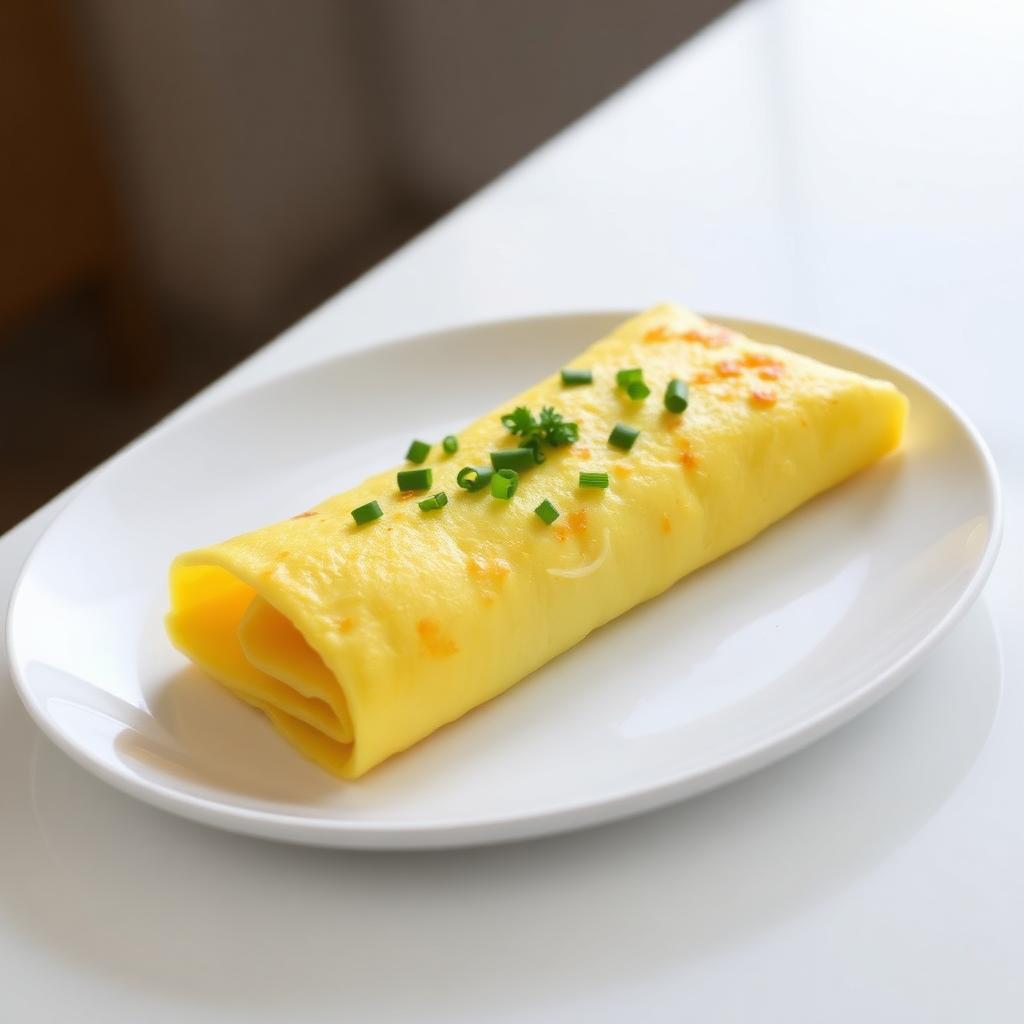
The French omelet is a study in simplicity and technique. Unlike its American cousin — the overstuffed, browned, folded-in-half diner version — a true French omelet should be pale golden on the outside, completely unbrowned, and contain a center that is still slightly wet and custardy. The French call this baveuse, which translates roughly to 'slobbery' — not the most appetizing word, but perfectly descriptive of the texture. Making one requires just a few minutes of your attention, but those minutes demand focus. You will shake the pan, stir vigorously with a fork, and roll the omelet onto the plate in one fluid motion. It sounds intimidating, but with a few practice runs, you will develop muscle memory. The filling should be minimal — a scattering of fresh herbs, perhaps a whisper of cheese — because the star here is the egg itself. Serve it simply, with a small salad and a piece of good bread. There is a reason this omelet is a test at culinary schools around the world: it reveals everything about a cook's patience, timing, and respect for ingredients.
Ingredients
- 013 large eggs
- 021 tablespoon unsalted butter
- 03Fine sea salt and white pepper
- 041 tablespoon fresh chives, finely minced
- 051 tablespoon fresh parsley, finely minced
- 061 tablespoon fresh chervil or tarragon, finely minced (optional)
- 071 tablespoon crème fraîche or soft goat cheese (optional)
Method
- 1
Crack the eggs into a bowl and beat vigorously with a fork until completely homogenous — no visible streaks of white. Season with a pinch of salt and white pepper.
- 2
Stir in most of the fresh herbs, reserving a small amount for garnish.
- 3
Heat an 8-inch nonstick skillet over medium-high heat. Add the butter and swirl until it foams vigorously and just begins to subside.
- 4
Immediately pour in the eggs. Let them sit for about 3 seconds to set the very bottom.
- 5
Begin shaking the pan back and forth with one hand while stirring the eggs vigorously with a fork or chopstick in a circular motion with the other. The goal is to create very small curds while keeping the omelet moving.
- 6
After about 20 seconds, the eggs should be mostly set but still wet and custardy on top. Remove from heat.
- 7
If using crème fraîche or cheese, add a small dollop to the center of the omelet.
- 8
Tilt the pan away from you and use a fork or spatula to roll the near edge of the omelet toward the center.
- 9
Continue rolling and sliding the omelet onto a warm plate, seam side down. The omelet should be a pale golden oval with a smooth exterior.
- 10
Garnish with the reserved fresh herbs and serve immediately.
From Noah's Kitchen
Pro tips & little secrets
- Use white pepper instead of black — it provides seasoning without the visible specks that would mar the pale exterior.
- The butter should foam vigorously but not brown. If it browns, wipe out the pan and start again.
- A true French omelet should have no color on the outside — pale golden is the goal.
- The shaking and stirring happen simultaneously and create the signature small-curd texture.
- Practice makes perfect. Your first few omelets may not roll perfectly, but they will still taste delicious.

Written & tested by
Noah Ellis
Noah edits every post on SavoryNest for clarity, accuracy and warmth. He also writes the long-form storytelling intros that open each recipe.
Meet the team →